Introduction
The aviation industry is under unprecedented pressure to decarbonize. While passenger airlines receive most public attention, cargo aviation—a critical pillar of global supply chains—is facing the same regulatory, financial, and ESG-driven demands.
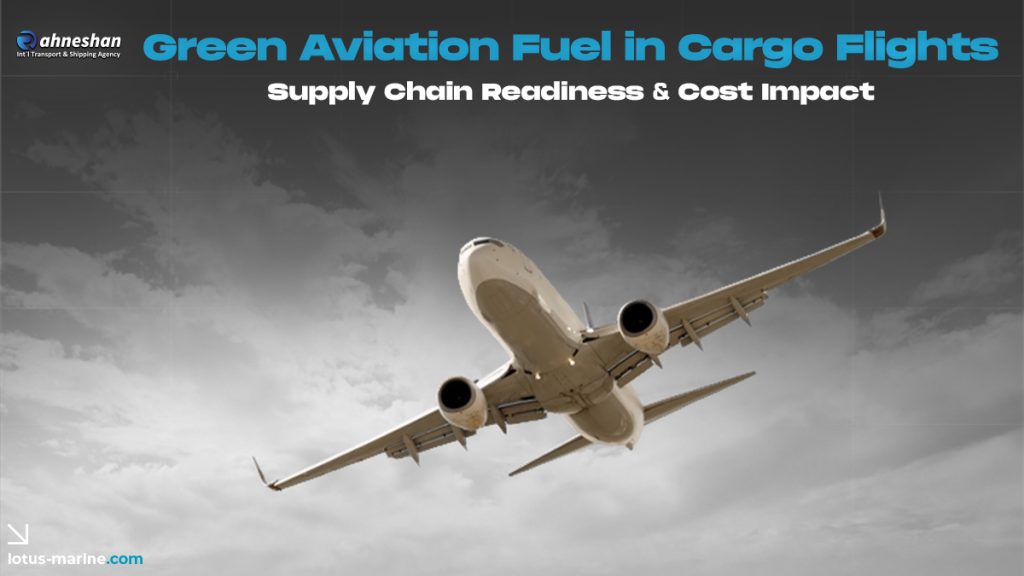
In 2025, Green Aviation Fuel—commonly referred to as Sustainable Aviation Fuel (SAF)—is emerging as the most realistic short- to mid-term solution for reducing emissions in air cargo operations. However, adoption is far from straightforward. Limited supply, uneven infrastructure, and cost premiums raise serious questions about supply chain readiness and economic impact.
For freight forwarders, cargo airlines, and B2B shippers, understanding the operational and cost implications of green aviation fuel is no longer optional—it is essential for strategic planning and competitive positioning.
What Is Green Aviation Fuel (SAF)?
Green Aviation Fuel, or Sustainable Aviation Fuel (SAF), is a low-carbon alternative to conventional jet fuel. It is produced from renewable or waste-based feedstocks such as:
-
Used cooking oil and animal fats
-
Agricultural and forestry residues
-
Municipal solid waste
-
Synthetic fuels produced with renewable energy (Power-to-Liquid)
SAF can reduce lifecycle CO₂ emissions by up to 70–80% compared to traditional jet fuel and is compatible with existing aircraft engines and fueling infrastructure—usually blended with conventional fuel.
For cargo aviation, SAF offers an immediate decarbonization pathway without requiring fleet replacement.
Why Green Aviation Fuel Matters for Cargo Flights
1. Regulatory Pressure Is Increasing
Governments and aviation authorities are introducing mandates and incentives for SAF usage. Cargo airlines operating internationally will increasingly face requirements tied to fuel emissions, reporting, and sustainability targets.
2. B2B Shippers Demand Low-Carbon Transport
Large manufacturers, retailers, and tech companies now track Scope 3 emissions. Air cargo emissions are highly visible, making SAF-enabled cargo flights a valuable differentiator for forwarders.
3. Cargo Aviation Has Limited Alternatives
Unlike road or rail, aviation cannot easily electrify or switch to hydrogen in the short term—especially for long-haul cargo flights. SAF is currently the only scalable decarbonization option.
Supply Chain Readiness: Where the Gaps Are
Limited Production Capacity
Global SAF production remains a fraction of total aviation fuel demand. Most supply is concentrated in a small number of regions, creating availability constraints for cargo airlines operating global networks.
Uneven Airport Infrastructure
Only a limited number of airports currently support SAF storage, blending, and distribution. Cargo hubs in emerging markets often lack access entirely—forcing airlines to rely on conventional fuel on many routes.
Feedstock Competition
SAF production competes with other industries (road fuels, chemicals) for the same feedstocks, increasing supply volatility and long-term uncertainty.
Complex Procurement and Certification
Ensuring fuel traceability, sustainability certification, and compliance across borders adds operational complexity—especially for freight forwarders managing multi-carrier routes.
Cost Impact on Cargo Operations
Higher Fuel Cost
SAF typically costs 2–5 times more than conventional jet fuel, depending on region and feedstock availability. Even with blending, this creates upward pressure on operating costs.
Impact on Freight Rates
While fuel is only one component of air cargo pricing, sustained SAF adoption is likely to influence:
-
Fuel surcharges
-
Premium pricing for “green cargo” services
-
Contract negotiations with ESG-driven clients
Short-Term Margin Pressure
Cargo airlines and forwarders may initially absorb part of the SAF cost to remain competitive, impacting margins—especially in price-sensitive trade lanes.
Long-Term Cost Stabilization Potential
As production scales and technology matures, SAF costs are expected to decline. Early adopters may benefit from long-term supply contracts and regulatory incentives.
Strategic Implications for Freight Forwarders
For freight forwarders and logistics providers, green aviation fuel changes how air cargo services are positioned and sold:
-
Carbon-reduced air cargo offerings become a premium service
-
SAF-enabled routes can support client ESG reporting and sustainability goals
-
Transparent emissions reporting strengthens trust with enterprise customers
-
Strategic carrier partnerships become critical to secure SAF capacity
-
Pricing models must balance competitiveness with sustainability value
Forwarders that proactively integrate SAF into their service portfolio can shift conversations from cost alone to value, compliance, and long-term resilience.
How Forwarders and Cargo Operators Can Prepare
-
Map SAF availability across key air cargo hubs
-
Partner with carriers offering SAF programs or book-and-claim models
-
Develop clear CO₂ reporting for clients using SAF-enabled shipments
-
Educate sales teams to position green air cargo as a strategic benefit
-
Segment customers willing to pay for lower-carbon transport
-
Monitor regulatory developments affecting fuel mandates and incentives
Outlook: Green Aviation Fuel in Cargo (2025–2035)
-
SAF adoption will grow gradually, not uniformly
-
Cargo flights serving premium, regulated, or ESG-sensitive industries will lead adoption
-
Book-and-claim systems will expand to bridge supply gaps
-
SAF costs will decline, but remain above conventional fuel in the medium term
-
Sustainability will increasingly influence air cargo procurement decisions
Cargo aviation will not decarbonize overnight—but SAF will define the transition phase.
Frequently Asked Questions (FAQ)
Is SAF already used in cargo flights?
Yes, but mostly in limited blends and on specific routes where supply is available.
Does SAF affect aircraft performance?
No. SAF is certified for use in existing engines when blended appropriately.
Who pays for SAF in air cargo?
Costs may be shared between airlines, forwarders, and shippers—depending on contracts and sustainability commitments.
Can forwarders offer SAF without changing carriers?
In some cases, yes—via book-and-claim or SAF certificate programs.
Conclusion
Green aviation fuel represents the most practical path to decarbonizing cargo flights in the coming decade. While supply constraints and cost premiums remain real challenges, regulatory pressure and customer demand ensure that SAF will play an increasing role in air cargo logistics.
For freight forwarders and logistics providers, the question is no longer if green aviation fuel will matter—but how quickly to integrate it into service offerings, pricing strategies, and client communication.
Those who prepare early will not only stay compliant—but gain a competitive edge in a sustainability-driven logistics market