Introduction
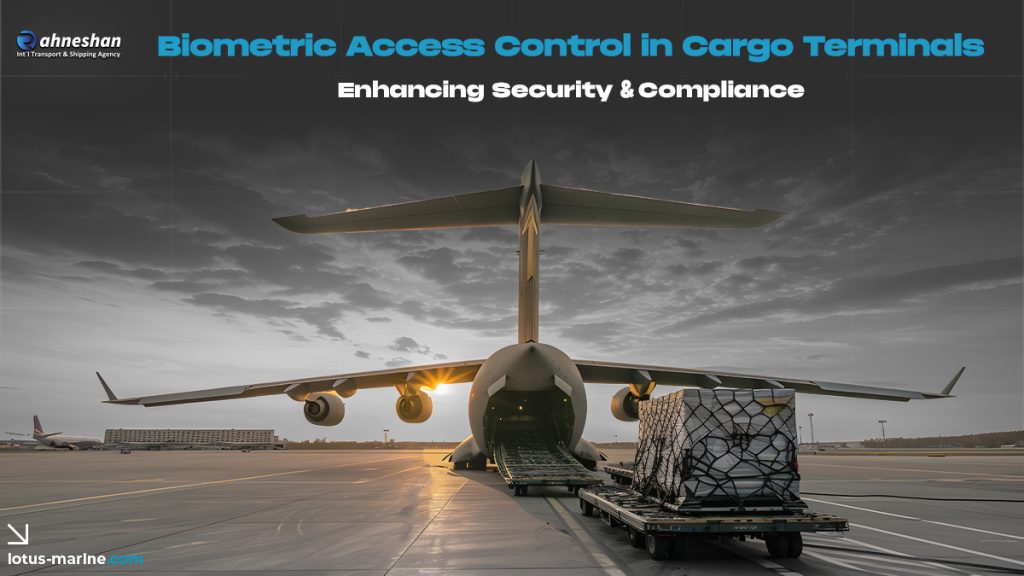
Cargo terminals are among the most security-sensitive nodes in global supply chains. With rising cargo volumes, increasing automation, and stricter international regulations, traditional access control methods—such as ID cards, PIN codes, or manual checks—are no longer sufficient.
In 2025, biometric access control systems are rapidly gaining adoption across air cargo terminals, seaports, and inland logistics hubs. By using unique biological identifiers such as fingerprints, facial recognition, or iris scans, these systems significantly enhance security, ensure compliance, and reduce human-error-related risks. For terminal operators, freight forwarders, and logistics companies, biometrics are becoming a strategic enabler rather than a purely technical upgrade.
What Is Biometric Access Control in Cargo Terminals?
Biometric access control refers to identity verification systems that grant or deny access to restricted terminal zones based on unique biological traits of individuals.
Common biometric technologies used in cargo environments include:
-
Fingerprint recognition
-
Facial recognition (including masked-face detection)
-
Iris or retinal scanning
-
Multimodal biometrics (combining two or more identifiers)
These systems are typically integrated with terminal operating systems (TOS), security management platforms, and compliance databases to ensure that only authorized, verified personnel can access sensitive cargo areas.
Why Cargo Terminals Are Moving Toward Biometric Security
1. Rising Security Threats and Cargo Theft
Cargo theft, tampering, and unauthorized access remain major risks—especially in high-value shipments such as electronics, pharmaceuticals, and controlled goods. Biometric systems eliminate credential sharing and impersonation, closing one of the biggest security gaps in traditional access control.
2. Stricter Regulatory and Compliance Requirements
International standards and programs—such as customs security frameworks, aviation security rules, and port facility regulations—require terminals to demonstrate strong access control and auditability. Biometrics provide verifiable, traceable access records that support compliance and inspections.
3. Workforce Scale and Complexity
Modern cargo terminals involve thousands of workers, subcontractors, drivers, inspectors, and visitors. Managing access manually or with cards becomes inefficient and error-prone. Biometric systems scale securely without increasing administrative overhead.
Key Benefits of Biometric Access Control
Enhanced Security and Risk Reduction
Biometric identifiers cannot be lost, stolen, or shared like badges or PINs. This dramatically reduces unauthorized access, insider threats, and security breaches in restricted zones.
Stronger Compliance and Audit Readiness
Every access event is logged and tied to a verified individual. This creates a reliable audit trail—critical for regulatory reviews, customs inspections, and security certifications.
Faster, Frictionless Access
Biometric authentication speeds up entry and exit, reducing bottlenecks at terminal gates, warehouses, and airside/port-side zones—without compromising security.
Reduced Operational Costs
Over time, biometric systems reduce costs associated with card issuance, replacements, manual checks, and security incidents. Automation also lowers reliance on human guards for routine verification.
Integration with Smart Terminal Infrastructure
Biometrics can be combined with CCTV, AI-based surveillance, IoT sensors, and digital ID systems—forming part of a broader smart terminal ecosystem.
Applications Across Cargo Terminal Operations
-
Air cargo terminals: Access to airside zones, bonded warehouses, and high-value storage areas
-
Seaports and container terminals: Controlled entry to quays, cranes, and restricted operational areas
-
Customs and bonded facilities: Verified access for inspectors, brokers, and authorized personnel
-
Logistics parks and inland terminals: Secure movement across multi-tenant facilities
-
Data-sensitive zones: Control rooms, IT infrastructure, and documentation centers
Challenges and Considerations
Data Privacy and Legal Compliance
Biometric data is highly sensitive. Terminals must ensure compliance with data protection laws, clear consent policies, secure storage, and strict access governance.
System Reliability and Environment Conditions
Cargo terminals are harsh environments—dust, lighting variations, weather, and PPE (helmets, masks, gloves) can affect biometric accuracy. Systems must be selected and tested accordingly.
Integration with Legacy Systems
Many terminals operate older TOS and security platforms. Seamless integration is critical to avoid operational disruption.
Change Management and Workforce Acceptance
Successful deployment requires training, transparency, and communication to address workforce concerns about privacy and surveillance.
Strategic Implications for Freight Forwarders & Logistics Companies
For freight forwarders and logistics providers, biometric access control at terminals directly impacts service quality and risk exposure:
-
Lower risk of cargo theft or tampering
-
Improved reliability for high-value and regulated shipments
-
Faster cargo handling due to reduced access delays
-
Stronger compliance credentials when serving regulated industries
-
Increased trust from B2B clients demanding secure supply chains
Forwarders that partner with biometric-enabled terminals—or advocate for such systems—can offer security-enhanced logistics services as a competitive differentiator.
Outlook: Biometric Security in Cargo Terminals (2025–2030)
-
Biometrics will increasingly replace cards and manual checks as the default access method
-
Multimodal biometric systems will improve accuracy in complex terminal environments
-
Integration with digital identities and blockchain-based access logs may emerge
-
Regulatory pressure around security and traceability will accelerate adoption
-
Biometric access will become a key component of ESG and governance frameworks
Frequently Asked Questions (FAQ)
Are biometric systems mandatory in cargo terminals?
Not universally yet, but they are increasingly recommended or required under enhanced security and compliance frameworks.
Do biometric systems slow down terminal operations?
No. When properly implemented, they are faster than card-based or manual checks.
What biometric method is most suitable for cargo terminals?
Facial recognition and multimodal systems are often preferred due to speed and contactless operation.
How is biometric data protected?
Through encryption, access controls, secure storage, and compliance with data protection regulations.
Conclusion
Biometric access control is rapidly becoming a cornerstone of secure, compliant, and efficient cargo terminal operations. In an era of increasing security risks and regulatory scrutiny, relying on outdated access methods exposes terminals and logistics providers to unnecessary risk.
For cargo terminals, adopting biometrics enhances safety and operational integrity. For freight forwarders and logistics companies, working within biometric-enabled environments strengthens service reliability and client trust.
As global logistics continues to digitize, biometric access control will no longer be a differentiator—it will be an expectation.