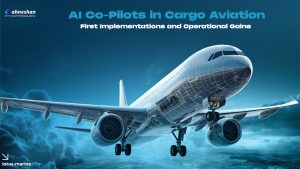
The integration of Artificial Intelligence (AI) in air cargo operations marks a significant leap forward in the logistics industry. With the increasing complexity of global trade and the demand for faster, more efficient shipping methods, AI offers transformative solutions that enhance every aspect of air cargo operations. This article explores the various ways AI is revolutionizing the air cargo industry, from optimizing route planning to improving security measures, ultimately leading to more accurate, efficient, and reliable services.
1. Optimizing Route Planning
One of the primary applications of AI in air cargo is in optimizing route planning. Traditionally, route planning for air cargo has been a complex task, often relying on historical data and human expertise. However, AI has changed this by enabling dynamic route optimization based on real-time data. AI algorithms can process vast amounts of information, including weather patterns, air traffic, fuel prices, and geopolitical factors, to determine the most efficient routes. This real-time adaptability not only reduces flight times but also minimizes fuel consumption, thereby lowering costs and reducing the environmental impact.
Real-World Application:
Several major airlines have adopted AI-powered route optimization systems. These systems analyze live data from multiple sources, allowing airlines to adjust routes on the fly to avoid delays or adverse weather conditions. This level of optimization is impossible with traditional methods and has led to significant cost savings and efficiency improvements.
2. Enhancing Cargo Handling Processes
Cargo handling is a critical component of air freight operations, and AI is playing an essential role in improving its efficiency. In traditional air cargo handling, manual processes can lead to errors such as incorrect loading, delays, and even safety hazards. AI-driven systems, however, can analyze data on cargo weight, dimensions, and destination to automate and optimize loading and unloading processes. This automation ensures that cargo is loaded in the most efficient manner, reducing ground time and maximizing the use of available space in the aircraft.
Advanced Load Planning:
AI algorithms can predict the best loading configurations, taking into account the weight and balance requirements of the aircraft. This not only improves safety but also enhances fuel efficiency. Furthermore, AI can help in identifying potential issues such as cargo misplacement or overloading before they occur, thus preventing delays and costly corrections.
3. Predictive Maintenance and Aircraft Longevity
AI’s role in predictive maintenance is transforming how air cargo companies maintain their fleets. Traditionally, maintenance schedules were based on fixed intervals or after-the-fact repairs. AI changes this by using machine learning algorithms to analyze data from aircraft sensors, predicting when parts are likely to fail. This approach, known as predictive maintenance, allows airlines to address potential issues before they become serious problems.
Benefits of Predictive Maintenance:
Predictive maintenance reduces unscheduled downtime by identifying and replacing parts before they fail. This not only enhances safety but also extends the lifespan of aircraft, as timely maintenance prevents excessive wear and tear. Additionally, by optimizing the timing of maintenance, AI helps in minimizing disruptions to operations, leading to more reliable and consistent service.
4. Demand Forecasting and Inventory Management
AI is also revolutionizing demand forecasting and inventory management in air cargo operations. Accurate demand forecasting is crucial for managing cargo space, inventory, and logistics. AI-driven predictive analytics can analyze historical data, market trends, and external factors such as economic indicators or seasonal patterns to forecast demand more accurately than traditional methods.
Optimizing Capacity Utilization:
By predicting demand with greater accuracy, AI helps cargo operators to optimize their capacity utilization. This means they can better plan for peak periods, avoiding both overbooking and underutilization of cargo space. Additionally, AI can assist in managing inventory levels, ensuring that the right amount of goods are available when needed, reducing storage costs and improving supply chain efficiency.
5. Enhancing Customer Experience
AI is not only transforming operational aspects of air cargo but also improving the customer experience. AI-powered chatbots and virtual assistants are increasingly being used by air cargo companies to provide real-time customer service. These tools can handle a wide range of inquiries, from tracking shipments to providing information on regulations and documentation. By automating these interactions, companies can offer 24/7 support, ensuring that customers receive timely and accurate information.
Personalized Customer Interactions:
AI systems can learn from past interactions, allowing them to personalize responses based on customer preferences and history. This leads to a more tailored and efficient customer experience, which can improve customer satisfaction and loyalty. Furthermore, AI can help companies identify trends in customer inquiries, enabling them to proactively address common issues or concerns.
6. Improving Security and Risk Management
Security is a paramount concern in air cargo operations, and AI is making significant contributions in this area. AI-driven security systems can analyze data from multiple sources, such as surveillance cameras, cargo manifests, and access control systems, to detect anomalies or potential threats. These systems can process vast amounts of data in real-time, identifying risks that might be missed by human operators.
Proactive Risk Mitigation:
AI can assess the risk associated with specific cargo items, routes, or destinations, allowing companies to take proactive measures to mitigate these risks. For example, AI can flag shipments that might require additional scrutiny based on their contents or origin, helping to prevent smuggling or other illegal activities. By enhancing security, AI not only protects valuable cargo but also ensures compliance with international regulations.
Conclusion
The integration of AI in air cargo operations is a game-changer for the industry. From optimizing routes and improving cargo handling to enhancing customer service and security, AI offers numerous benefits that lead to increased efficiency, accuracy, and safety. As AI technology continues to evolve, its impact on air cargo operations will only grow, paving the way for even more innovative and efficient logistics solutions.
Frequently Asked Questions (FAQs)
Q1: How does AI help in route optimization for air cargo?
A1: AI processes real-time data such as weather conditions, air traffic, and fuel prices to dynamically optimize flight routes, reducing travel time and fuel consumption.
Q2: What is predictive maintenance, and how does AI enhance it?
A2: Predictive maintenance involves using AI to analyze aircraft sensor data to predict when components will need maintenance, preventing unexpected breakdowns and extending aircraft life.
Q3: How does AI improve cargo handling efficiency?
A3: AI automates and optimizes the loading and unloading processes by analyzing cargo data, ensuring efficient use of space and reducing the risk of errors.
Q4: Can AI improve customer service in air cargo operations?
A4: Yes, AI-powered chatbots and virtual assistants provide real-time, personalized customer service, handling inquiries and providing accurate information 24/7.
Q5: What role does AI play in enhancing security in air cargo operations?
A5: AI enhances security by analyzing data from multiple sources to detect potential threats and assess risks, allowing for proactive risk management and compliance with regulations.